


Locust Bean Gum vs. Carob Bean Gum: Key Differences and Applications
Liftaworld’s Perspective on Locust Bean Gum and Carob Bean Gum
In the world of natural hydrocolloids, both locust bean gum and carob bean gum have gained significant attention. Although often confused due to their botanical similarities, these two gums have distinct characteristics and applications. Liftaworld, as a company dedicated to offering high-quality natural ingredients, has incorporated both locust bean gum and carob bean gum into its product portfolio. Understanding the differences between these two gums is essential for industries looking to optimize their formulations, and Liftaworld plays a key role in guiding clients toward the most suitable option.
The Origin and Processing of Locust Bean Gum and Carob Bean Gum at Liftaworld
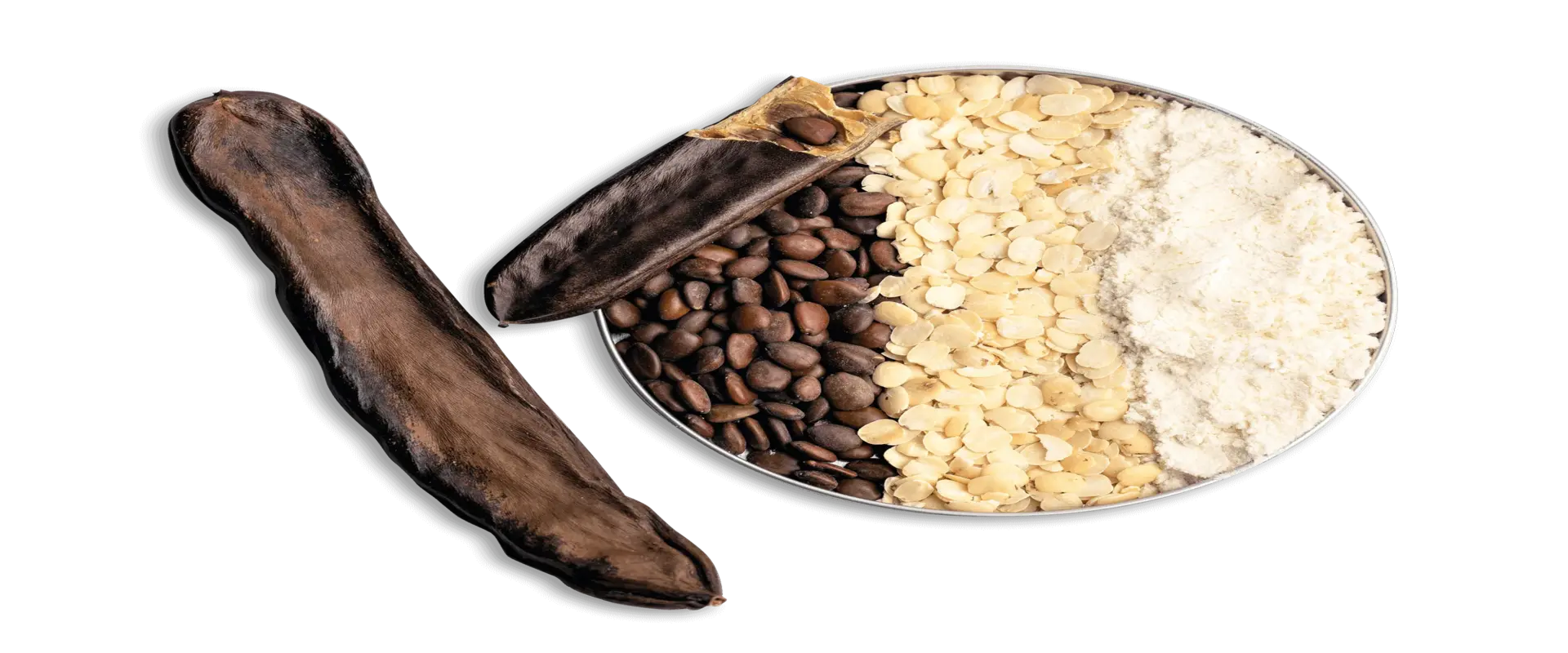
Both locust bean gum and carob bean gum are derived from the seeds of the carob tree; however, their extraction and processing methods vary slightly, which leads to differences in functionality. Liftaworld ensures that the production of both gums is carried out under controlled and sustainable conditions. The seeds are carefully separated, cleaned, and processed to extract the gum through milling and refining stages. Liftaworld collaborates with trusted farmers and processors to guarantee that both locust bean gum and carob bean gum retain their natural properties and meet the required quality standards. The company places strong emphasis on sustainable sourcing, ensuring that its clients receive gums with optimal texture, purity, and functionality.
Functional Differences Between Locust Bean Gum and Carob Bean Gum in Liftaworld’s Applications
While both gums are used as thickeners, stabilizers, and texture enhancers, Liftaworld highlights the subtle but important differences between them. Locust bean gum, known for its high viscosity and synergistic properties when combined with other hydrocolloids like xanthan gum, is commonly used in dairy products, sauces, and desserts. Liftaworld uses locust bean gum in formulations where smooth texture and stability under varying temperature conditions are essential.
Carob bean gum, on the other hand, although sometimes used interchangeably with locust bean gum, has slightly different gelling and stabilizing properties. Liftaworld integrates carob bean gum into products where a milder thickening effect and natural fiber contribution are desired. Especially in the production of health-oriented and fiber-enriched food products, Liftaworld values carob bean gum for its nutritional benefits as well as its functionality.
Liftaworld’s Approach to Optimizing Gum Selection for Clients
Liftaworld offers tailored solutions to its partners by analyzing product requirements and selecting the most appropriate gum for each application. The company’s technical team provides guidance on whether locust bean gum or carob bean gum would better serve the intended functionality, texture, and stability of a product. Liftaworld’s deep understanding of these natural gums ensures that clients receive not only a raw material but also full technical support to achieve the desired product performance. Liftaworld believes that this approach creates added value for brands seeking innovative and effective natural ingredients.
Future Trends and Liftaworld’s Role in Advancing Gum Applications
As clean-label and plant-based products continue to dominate market trends, Liftaworld is dedicated to expanding its research and innovation on locust bean gum and carob bean gum applications. The company is actively exploring new formulations where these gums can replace synthetic stabilizers and thickeners while still delivering excellent sensory properties. Liftaworld is committed to helping clients meet the rising consumer demand for healthier and more natural products by unlocking the full potential of both locust bean gum and carob bean gum in food, cosmetic, and pharmaceutical industries.